


Sometimes. In Maryland there are limited situations where a drain field can be repaired, and it doesn’t always mean a full replacement. When it can be repaired, catching it early is usually the difference between a manageable septic drain field repair and a five-figure repair.
Can You Repair a Septic Drain Field, or Does It Need Replacing?
It depends on why it isn’t functioning as intended and how far gone it is. A drain field that’s clogged with roots or lightly compacted can sometimes be rehabilitated. But if it’s overloaded with effluent and no longer accepting liquid the way it should, that field usually can’t be repaired and needs replacement.
Septic system repair works best as an early intervention. The tank and drain field are components of the larger septic system, and the longer a problem sits, the more the repair options narrow. So the real question isn’t just “can you repair a septic drain field,” it’s “how quickly can you get it diagnosed.”
A septic diagnostic evaluation identifies the actual cause before anyone recommends spending money.
How Drain Fields Deteriorate?
The drain field is where effluent (liquids) leaving the tank disperses into the soil. A few common reasons it stops working as intended:
- Biomat overgrowth: a natural slime layer of bacteria builds along the trench walls over time. In moderation it’s normal; when it gets too thick, the soil stops absorbing.
- Solids reaching the field: from a tank that wasn’t pumped, heavy garbage-disposal use, or grease. Solids clog the pipes and soil.
- Soil compaction: from vehicles, equipment, or structures parked over the field.
- Hydraulic overload: too much water, too fast, from leaks or oversized usage on an undersized system.
- Root intrusion: trees and shrubs finding the pipes.
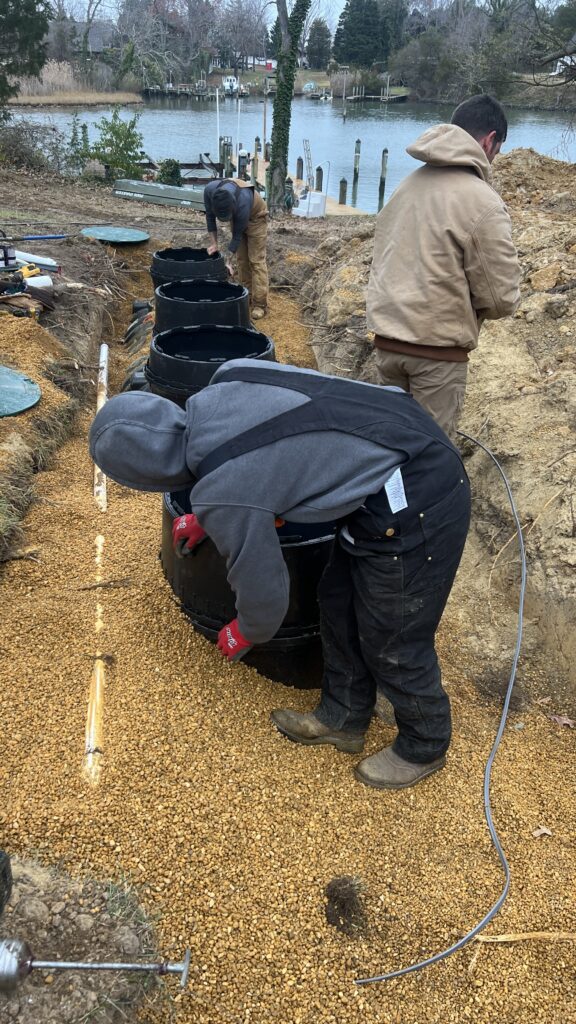
How to Repair a Septic Drain Field
Once the cause is known, here’s how a septic drain field repair can potentially be done in real-world cases.
These are professional methods, not DIY:
- Jetting / hydro-jetting: high-pressure water clears sludge and biomat buildup out of the field lines, and the loosened material is vacuumed out.
- Component repairs: replacing a failed pump, cracked pipe, or distribution box that’s sending flow unevenly.
- Root removal and control: clearing roots and redirecting future growth away from the lines.
- Fixing the upstream cause: pumping an overdue tank, correcting a leak, or redirecting roof and sump runoff away from the field.
You should not (and as a company we do NOT recommend it at all) pour yeast, enzymes, or “miracle” bacteria packets into your system to fix a drain field. They aren’t a substitute for clearing an actual clog or compaction problem.
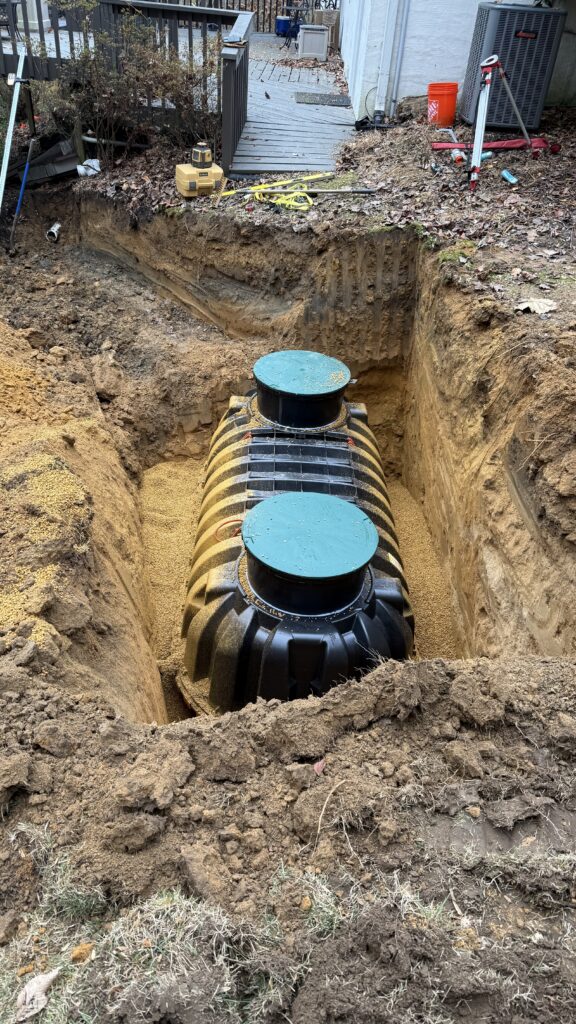
If a drain field can no longer be restored, rejuvenation won’t bring it back, and at that point you’re looking at replacement, which in Maryland means a new system and county permitting.
Signs You Need a Septic Drain Field Repair
Walk your property now and then and watch for:
- Soggy ground or unusually lush, green grass over the field
- Slow drains or toilets that back up
- Sewage odors indoors, near the tank, or over the field
- Pooling water above the drain lines, even in dry weather
- A septic alarm sounding (on systems that have one)
Catching these early is what keeps a repair from becoming a replacement. If you’re seeing them, get the cause diagnosed rather than guessing.
Keep people and pets away from any contaminated area, don’t try to open or enter the tank yourself, and get a professional out.
If you’re dealing with an active backup or alarm, contact SPEK as soon as you can to confirm emergency availability.
Looking for Septic Drain Field Repair Near Me in Maryland
If you’re searching for septic drain field repair near me from Calvert, Charles, or St. Mary’s County, one Maryland detail matters: most drain field repairs and all replacements require a permit through your county Environmental Health department, and the approving authority (not the contractor) signs off on the work.
SPEK Septics handles septic repairs across Southern Maryland and coordinates with the applicable county on permitting. We diagnose first, explain what we find, and favor a targeted repair over a full replacement wherever the system allows it.
Call SPEK Septics at 240-925-0085 to discuss your drain field.
Frequently Asked Questions About Septic Drain Field Repair
How much does it cost to repair a septic drain field?
The cost to repair a septic drain field varies widely. In Maryland, repairs commonly run from around $1,000 to $10,000, while a full replacement typically ranges from about $10,000 to $35,000 depending on system type, soil, slope, and access. Regulations vary greatly from state to state, so national figures aren’t a reliable guide. Your actual price depends on the cause and scope, so the only accurate number comes from a diagnosis. Contact SPEK for an estimate for your property.
What is the average lifespan of a septic tank drain field?
A well-installed, well-maintained drain field averages around 20 years, though many last considerably longer and some reach 50 under good conditions. Poor soil, overloading, and skipped maintenance shorten it. Regular pumping and protecting the field are what push it toward the high end.
Can you repair your own drainfield?
Not safely or effectively. The useful repairs (jetting, for instance) needs professional equipment, and in Maryland most drain field work requires a county permit and licensed contractor. Homeowners can help by keeping vehicles off the field, not planting trees over it, and pumping the tank on schedule, but the actual repair should be left to a professional.
Does homeowners insurance cover a failed drain field?
Usually not. Standard homeowners policies typically exclude septic problems from wear and tear, age, clogs, or lack of maintenance, which is how most drain fields stop working. Coverage generally applies only when a sudden, covered peril (like a fire or lightning strike) causes the damage. Check your specific policy and ask your agent about water-backup endorsements.
How to tell if a drainfield is not working as intended?
The clearest signs are soggy or unusually green grass over the field, standing water, sewage odors, slow or backing-up drains, and a septic alarm. Because these can also point to a full tank or a pump problem, it’s worth getting the cause diagnosed rather than assuming the field itself is the issue.
What is the most expensive part of a septic system?
Sometimes it’s the drain field. As is the largest underground component, the hardest to access, and the one most tied to soil and site conditions, which is exactly why preventative maintenance and early repair are so much cheaper than letting it reach replacement.
What ruins a leach field?
The big ones: letting solids reach the field from skipped pumping, grease and food waste down the drain, driving or parking over it, tree roots, and chronic hydraulic overload from leaks or excess water. Most of these are preventable with basic maintenance.
Can a septic tank go 30 years without being pumped?
No. General guidance is to pump every three to five years. Going decades without pumping lets solids build up and flow into the drain field, which is one of the fastest ways to ruin it and turn a routine service into an expensive repair.
Can you put gravel over a septic drain field?
It’s not recommended. Adding gravel or fill on top can compact the soil, interfere with the oxygen the field needs, and complicate access. Keep the area as grass, and keep vehicles, structures, and heavy fill off it.