
Septic inspection cost in Maryland depends on three things: the type of system, the size of the property, and how deep the inspection goes. A quick look at the tank costs less than a full property transfer inspection, which in Maryland must be done by a licensed inspector who follows a state report format and tests how the system handles water. Before you compare prices, make sure you’re comparing the same job.
Here’s what you’re paying for, what changes the price, and how to get a quote that means something.
What a Maryland Septic Inspection Includes
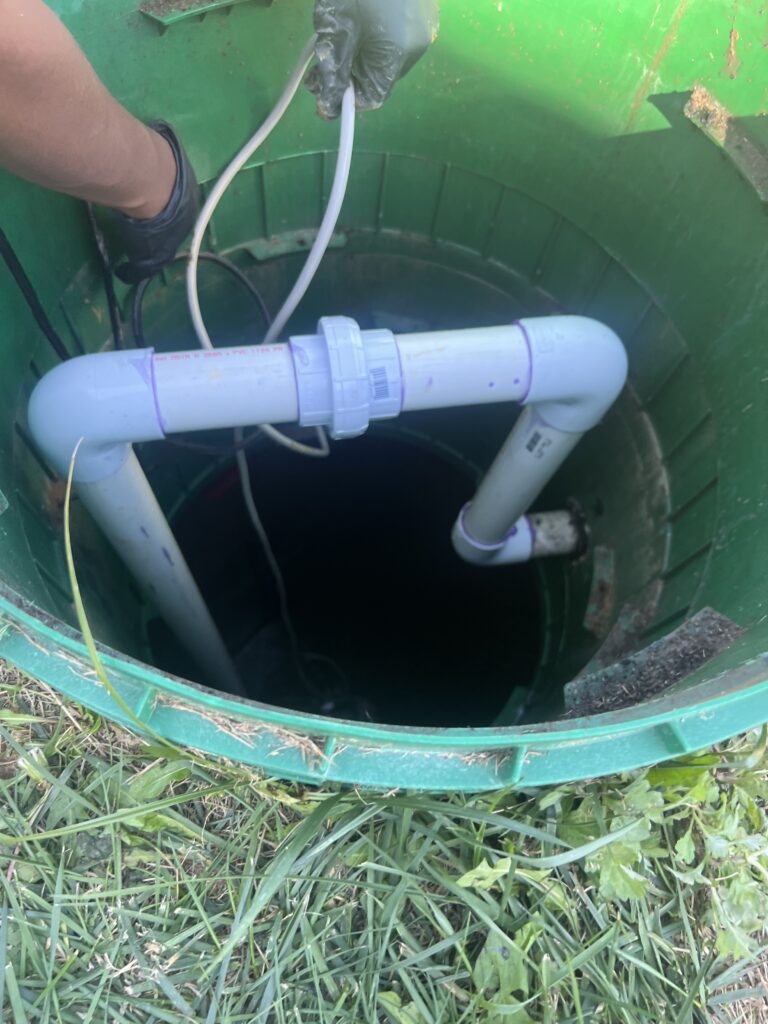
A real septic inspection is more than lifting a lid. At SPEK, every inspection covers:
- Locating and opening the septic tank
- Checking liquid levels and the tank’s components
- Inspecting the inlet and outlet baffles
- Checking the distribution box
- Evaluating the drainfield for signs of failure or saturation
- A written report of what we found and any concerns
Most residential inspections take two to three hours on site, and the written report usually follows within one business day.
Property Transfer Inspections Have Extra Steps
If you’re buying or selling a home on septic, you’ll likely need a property transfer inspection. In Maryland, these follow a standard state process:
- A licensed inspector. Anyone doing property transfer septic inspections must hold a state license.
- A records check. The inspector asks the county for the system’s permit records before the visit.
- A hydraulic load test. The inspector runs water through the system, based on how many people live there, to see how it handles a normal load.
- A standard report. Every component gets rated “Satisfactory,” “Satisfactory with Concerns,” or “Unsatisfactory,” and the inspector signs the report.
The inspector may also pump the tank, if needed, to check that it’s sound and watertight. Each of these steps adds time, and that’s a big part of why a property transfer inspection costs more than a basic check.
What Affects Septic Inspection Cost
No two properties are alike, so a flat price for every home rarely holds up. These are the factors that move the number most.
Type of System
A conventional tank and drainfield is the simplest to inspect. Mound, drip, at-grade, and BAT systems have more parts, such as pumps, control panels, aerators, and alarms, and each one has to be checked.
BAT systems add a Maryland-specific step. These advanced nitrogen-reducing units are common near the Chesapeake Bay, and under state guidance, an inspector who isn’t certified for that brand has to bring in the manufacturer’s rep or a certified contractor to evaluate it. That can mean a second visit or a second bill.
SPEK is certified for FujiClean, BioMicrobics, SeptiTech, and Norweco systems, so we can evaluate those BAT units ourselves during the inspection. Learn more about our BAT operations and maintenance service.
Property Size and Access
A larger lot, a longer run to the drainfield, or a buried tank lid with no risers all take more time. If the tank has to be dug up to reach it, expect that to show up in the price. Knowing where your tank is, and having county records on hand, can save time.
Scope of the Inspection
A routine check for a homeowner is different from a full property transfer inspection with a load test and state report. Ask any inspector exactly what’s included before you compare quotes.
What the Inspection Finds
The inspection fee covers finding and documenting problems. Fixing them is separate. If we find a failed baffle, a saturated drainfield, or a pump that’s not working, we’ll explain the options, and SPEK can handle the septic repairs too.
Why the Cheapest Septic Inspection Can Cost More
A low price can mean a short visit that skips the drainfield or the load test. The drainfield is usually the most expensive part of a septic system to replace, so missing a problem there can cost a buyer far more than the inspection ever would. Our post on repairing a septic drain field explains why catching trouble early matters.
An honest inspection can also save you money. One Southern Maryland homeowner put it this way after SPEK traced her problem to the septic inlet instead of the drainfield:
“He could have easily told me that my entire drain field needed to be replaced, and I’d have little reason to not believe him.” — Laura, Google review
When you compare quotes, ask each inspector:
- Are you licensed for Maryland property transfer inspections?
- Will you request the county permit records?
- Do you do a hydraulic load test?
- Are you certified for my BAT system, or will someone else need to come out?
- Will I get the state report plus a written summary I can understand?
- How soon will I get the report?
If the answers are vague, the low price probably isn’t covering the full job.
When to Get a Septic Inspection
- Buying or selling a home. Sellers who inspect before listing have time to fix problems on their schedule instead of during closing. Buyers get a clear picture of what they’re taking on.
- Routine checkups. The U.S. EPA recommends a professional inspection at least every three years for household systems, and about once a year for systems with mechanical parts.
- Warning signs. Slow drains, sewage odors, soggy ground over the drainfield, or an alarm going off all call for an inspection right away.
For year-round care between inspections, see our septic system maintenance guide for Maryland houses.
Septic Inspections in Southern Maryland
SPEK Septics is a family-owned septic company based in Prince Frederick. We inspect systems throughout Calvert, Charles, and St. Mary’s counties, including Leonardtown, and offer inspections in Lower Anne Arundel and Prince George’s counties as well.
Owner Ryan Nagi is a certified property transfer inspection instructor and serves as president of the Maryland On-site Wastewater Professional Association. Co-owner Erin is a certified inspector. Our septic inspections cover conventional, mound, drip, at-grade, and BAT systems, with reports formatted for real estate closings.
When to Call a Pro
Call a licensed septic inspector if:
- You’re buying or selling a home with a septic system
- It’s been more than three years since your last inspection
- You have a BAT system and need it evaluated by a certified provider
- You’re seeing backups, odors, wet spots, or an alarm
- You don’t know where your tank is or what type of system you have
For a price based on your property, call SPEK Septics at 240-925-0085 or request a free estimate. We’ll ask about your system and the reason for the inspection.